
The 19 Best Issuu Alternatives: Elevate Your Digital Publishing Strategy
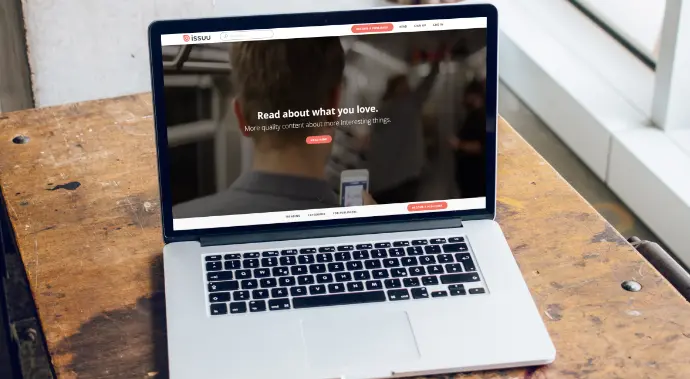
Updated on: 19.06.2026
If you're tired of Issuu's limitations and rising costs, you're not alone. This guide breaks down the 19 best Issuu alternatives available right now — from free flipbook tools to enterprise-grade digital publishing platforms — so you can find the one that genuinely fits your workflow and budget.
Why Publishers Are Looking Beyond Issuu in 2026
The digital publishing landscape keeps moving fast, and simply hosting a PDF no longer cuts it. Readers expect content that loads instantly on mobile, looks sharp on every screen, and can be embedded wherever your audience already spends time — your website, your email footer, your social feeds. The best Issuu alternatives don't just replicate what Issuu does; they go further.
Here's what to look for when evaluating any online publishing platform today:
AI-driven SEO: Modern platforms convert your PDFs into HTML5, making the content readable by Google's AI Overviews — something a static PDF simply cannot achieve.
Mobile-first responsiveness: If your publication doesn't display perfectly on a smartphone in 2026, it effectively doesn't exist for a large share of your audience.
Multimedia integration: From embedded video to direct shopping links, your flipbook should do more than just flip pages.
Embedding & distribution: The ability to embed your publication on your website, share it on social media, and drop a link into your email footer dramatically extends your reach without extra effort.
Transparent pricing: You should know what you're paying before you sign up — not after a sales call.
With those criteria in mind, here are the 19 best alternatives to Issuu worth your time.
1. YUMPU Publishing — The #1 Free Issuu Alternative
YUMPU Publishing earns the top spot on this list, and it's not a close contest. It's the most complete free digital publishing platform available today, covering free flipbook and magazine publishing, web embedding, desktop and mobile publishing, and even dedicated app solutions — all under one roof.
Getting started is genuinely straightforward: upload your PDF, let YUMPU's software handle the conversion, and you'll have a fully interactive, page-turning publication ready to share in minutes. No coding, no complicated setup.
What makes YUMPU stand out from the crowd is its combination of reach and features. Your publication becomes indexed by Google (HTML5 output, not a locked-down PDF), shareable across every major social media platform, and embeddable directly on your website — which means better user experience for your visitors and more time spent with your content. For businesses that are still printing and mailing physical catalogues or brochures, switching to a YUMPU digital edition can significantly cut print and distribution costs while making updates instant.
YUMPU's user base runs into the millions, which means real readership potential beyond just people you personally send links to. Their support team is reachable by phone — a genuine differentiator when you're setting up a new publishing workflow and have questions. If you want a deeper look at what the platform offers, the YUMPU Publishing review covers the full feature set in detail.
Ready to try it yourself? Start publishing for free and see why it's the preferred choice for content creators, marketers, and small businesses alike.
2. Twixl
Twixl is built exclusively around app publishing — and it's very good at exactly that. It's designed for agencies, large-scale publishers, and brands that want a fully mobile-native experience and have the budget to match: app packages start above $1,000. There is a free trial download, but this is firmly a tool for enterprise-level players, not someone looking for a cost-effective everyday publishing solution.
3. Presspad
Presspad focuses on turning existing digital magazines into iOS and Android apps. If you already have a well-established publication and want a dedicated app presence, Presspad is affordable relative to the competition — entry-level packages start around $99 with a 14-day turnaround. The downside: you won't get access to a kiosk or an existing reader community, so you're starting from scratch on audience-building.
4. Snapplify
Think of Snapplify as a managed marketplace for your content — they handle sales, marketing, and distribution across multiple storefronts, and provide you with analytics and revenue. They're also active in the education sector, building dedicated digital learning environments. The main frustration: pricing is not publicly listed anywhere, which makes it nearly impossible to budget for.
5. Magzter
Magzter is a heavyweight in the digital magazine world, with a client list that reads like a publishing industry directory. The platform offers strong app visibility and a large existing readership. The catch for independent publishers is the revenue-share pricing model, which can significantly eat into your margins unless you're already operating at scale.
6. Bote
Bote is a web-based flipbook publishing service with an impressive client roster. It automatically optimizes content for search engine rankings, includes Google Analytics integration, and uses a fast drag-and-drop upload system. There's a 14-day free trial, though you need to enter payment details to access it — so set a reminder to cancel if it's not the right fit. Pricing is subscription-based and suits businesses of most sizes.
7. Mag+
Mag+ offers two distinct products: a full ePublishing toolkit (catalogues, brochures, magazines) that runs as an InDesign plugin, and a drag-and-drop app design tool similar to Keynote in concept. Features include interactivity, slideshows, and audio — all without any coding knowledge required. Unlike most others on this list, Mag+ is a software provider, not a hosting and distribution platform, so distribution is your responsibility.
8. iMag
iMag is built specifically for business use — its core focus is sales enablement and brand awareness through digital publications. It optimizes both content and images for search engine ranking, includes a full white-label solution (your logo, colors, fonts throughout), and has integrated lead generation tools. There's no free trial, and the examples on their website are fairly basic, but three pricing tiers give you flexibility based on your needs.
9. RealView
RealView delivers digital magazines, catalogs, and newspapers across multiple devices, and the quality of its designs is notable. Like several others on this list, pricing is not publicly available — you'll need to contact them for a quote. It's a solid like-for-like Issuu comparison, but app publishing doesn't appear to be a core strength.
10. FlipViewer
FlipViewer Xpress is a professional software tool for creating and delivering digital publications. It's simple and effective — ideal if you're experienced with desktop publishing software and comfortable working independently. If you'd rather have a hosted platform with an active support team behind you, a full-service provider like YUMPU Publishing will serve you better.
11. Baker Book Framework
Baker Book Framework is a developer-focused publishing platform that's been building iPad and iPhone reading experiences since 2010. It's a smaller, community-driven project — still growing, but interesting for publishers who want to experiment with new formats. Best suited for technically adventurous creators rather than those who need a plug-and-play solution.
12. Issuu — Still Worth Knowing
Even in a list of Issuu alternatives, it's worth acknowledging what Issuu does well. It's been a reliable part of the online publishing market for years, supports social media sharing, and offers a free basic plan alongside paid tiers (Starter, Premium, and Optimum). That said, its mobile and app publishing capabilities lag behind the best alternatives available today — and the free plan comes with significant limitations that push most serious users toward paid options.
13. iPaper
iPaper is a Danish flipbook platform that oozes quality — and the pricing reflects that. The platform has an impressive client list and a genuinely useful lead generation section. However, personal branded publications start at $135/month, which is well above the market average. If budget isn't a constraint and brand presentation is a priority, iPaper is worth a look. For everyone else, the same quality of experience is available elsewhere for less.
14. Publitas
Publitas has a strong support team and a clean interface, but its primary focus is catalogues rather than magazines or general publications. You can publish eMagazines, but video embedding requires a premium plan. Reader numbers are also significantly lower than on platforms like YUMPU Publishing, which limits your organic discovery potential before you've even published.
15. Kvisoft
Kvisoft offers a capable desktop software suite for creating interactive HTML5 flipbooks, including a generous 30-day free trial. It's a good fit for experienced publishers who are comfortable working independently. For beginners, the lack of real-time support and the requirement to download software (rather than use a web-based tool) will slow things down considerably.
16. Lucidpress
Lucidpress positions itself as a design and content creation enabler rather than a full publishing platform. It's particularly strong in the education space, with dedicated features for visual learning. The enterprise features aren't easily accessible without direct contact, which adds friction for business users. If you're a teacher or trainer creating visual content, Lucidpress is worth exploring. For a full-featured business publishing setup, look elsewhere.
17. Blurb
Blurb excels at print-on-demand: photo books, wedding albums, recipe collections, keepsake publications. It does offer ePublishing, but it feels like an add-on to its core print business rather than a primary feature. If your goal is a beautiful printed keepsake, Blurb is excellent. If you want maximum online reach, responsiveness, and discoverability, it's not the right tool.
18. Zinepal
Zinepal is a no-frills platform that can pull content from a website URL and turn it into a PDF or basic eBook. It's dated in both design and capability, and it doesn't come close to matching what modern digital publishing platforms offer. It might save time on a one-off project, but it's not a long-term publishing solution.
19. Buildanewspaper.com
Buildanewspaper.com is a newspaper template service — a different category from most entries on this list. It's handy for generating a newspaper-style publication for internal communications, community newsletters, or sharing with friends and family. You pay per template and there's no account setup required. If you have existing PDF documents with fixed designs that you want to publish online properly, a dedicated flipbook platform will serve you much better.
How to Choose the Right Issuu Alternative for You
After reviewing all 19 options, the right choice comes down to what you actually need. Enterprise agencies with large budgets and a mobile-only focus might find Twixl or Presspad compelling. Education professionals might appreciate Lucidpress. Photo enthusiasts creating keepsakes will enjoy Blurb.
But for the vast majority of content creators, bloggers, small businesses, and digital marketers — people who need a reliable, feature-rich, and genuinely free starting point — YUMPU Publishing is the clear answer. It handles everything from PDF conversion and Google indexing to social media sharing and website embedding, all in one place. Publications stay up to date with a simple re-upload rather than reprinting and redistributing. And unlike many competitors on this list, you can also find a detailed overview of Issuu alternatives at best Issuu alternatives to cross-reference your options.
The digital publishing world has too many good options to stay stuck with a tool that doesn't fit. Take the time to explore, but don't overthink it — start with the platform that offers the most for free and scale from there.
FAQ: Issuu Alternatives — Your Questions Answered
What is the best free alternative to Issuu?
YUMPU Publishing is widely considered the best free Issuu alternative. It offers HTML5 flipbook creation, Google indexing, social media sharing, and website embedding — all on a free plan — with a user base in the millions for organic discovery.
Is YUMPU Publishing really free?
Yes, YUMPU Publishing has a genuinely functional free tier that lets you upload PDFs, create interactive flipbooks, and share them online. Paid plans unlock additional features like custom branding, ad removal, and advanced analytics.
Can I embed my digital publication on my website?
Most modern platforms including YUMPU Publishing, Bote, and Publitas support website embedding. This lets you integrate your flipbook directly into a page, improving user experience and keeping visitors on your site longer.
Which Issuu alternative is best for digital magazines?
YUMPU Publishing and Magzter are both strong choices for digital magazines. YUMPU is better for independent publishers and smaller budgets; Magzter is suited to established publishers comfortable with a revenue-share model.
Do any of these platforms help with Google SEO?
Yes — platforms that convert your PDFs to HTML5 (like YUMPU Publishing, Bote, and iMag) make the text content of your publication readable by Google, which can improve search rankings. A static PDF file does not achieve this.
Which alternative is best for building a mobile app from my magazine?
Twixl and Presspad are dedicated app-building platforms. Twixl is enterprise-grade; Presspad is more accessible for independent publishers with packages starting around $99.
Is Issuu itself still worth using in 2026?
Issuu remains a solid, well-established platform — especially if you're already familiar with it. However, its mobile capabilities and free plan limitations mean many publishers find better value elsewhere, particularly with platforms like YUMPU Publishing.
Can I switch from Issuu to another platform without losing my content?
In most cases, yes. As long as you have your original PDF files, you can upload them to any new platform. The transition is typically straightforward with services like YUMPU Publishing that only require a PDF upload to get started.
Which platform is best for selling digital content or catalogues?
Snapplify and Magzter are both marketplace-style platforms suited to selling content. For product catalogues specifically, Publitas is a focused option. YUMPU Publishing also supports interactive catalogues with clickable links and embedded calls to action.
How do I know which platform offers good value for money?
Start by identifying your core needs: distribution reach, SEO, embedding, app publishing, or team collaboration. Then compare free tiers directly — platforms like YUMPU Publishing let you test the full core experience before committing to a paid plan.

Hi, I’m Michael Wilson. I am a creative, passionate digital marketing professional with over 12 years of expirience in online marketing. I love everything about digital publishing and that’s why I want to share my thoughts about this matter on my little blog. I hope you enjoy!